Most of us share a common goal of wanting to age safely in the familiar comfort of our own spaces. Our team knows that mastering the art of Helping Elderly Parents Stay Independent at Home: A Family effort separates a stressful living situation from a thriving one.
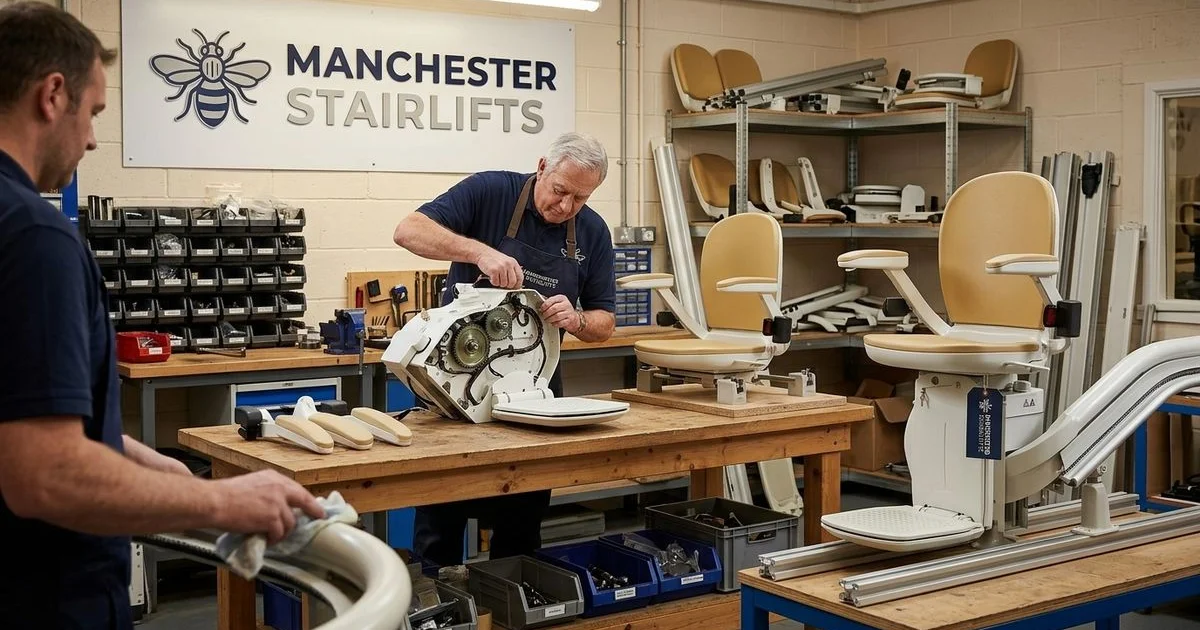
This proactive planning changes the entire dynamic of aging in place. We operate Stairlifts Cost, a family-run business dedicated to helping residents across Greater Manchester regain their independence at home, born out of a desire to provide genuine community support.
Finding practical solutions early is the single most effective way to maintain a high quality of life at home.
Our primary goal is to provide clear guidance to everyone preparing for the future. The following sections break down the essential home modifications, back them up with recent data, and outline the exact steps you can take today.
Starting the Conversation
Opening up a dialogue about needing extra help at home requires tact and sensitivity. Well-meaning suggestions often feel like criticism to someone worried about losing their autonomy.
We recommend adopting a gradual approach rather than forcing a single, heavy discussion. Bringing up minor changes during a calm afternoon cup of tea works much better than raising the issue during a crisis.
Our team suggests using the listening-first principles outlined by charities like Age UK. You can build a stronger consensus by asking questions rather than issuing instructions.
Here are a few proven tips for a productive discussion:
- Choose a neutral setting: Bring the topic up casually over lunch.
- Focus on empowerment: Frame changes as tools to protect their independence.
- Listen to unvoiced fears: Ask them what specific daily tasks feel frustrating.
- Offer concrete examples: Suggest installing an AKW grab rail rather than vaguely mentioning bathroom changes.
- Reference legal rights: Remind them that the Care Act 2014 entitles them to a free needs assessment from the local council.

Practical Adaptations That Make a Difference
Managing the Stairs
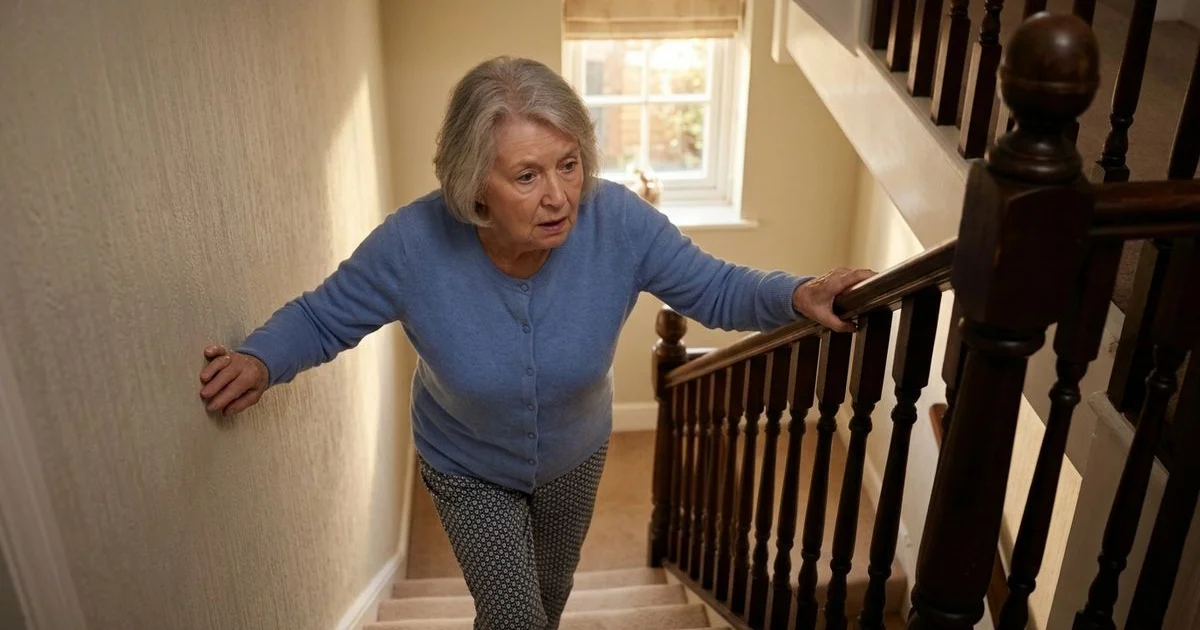
The staircase frequently becomes the most significant physical barrier in a multi-story home. Data from the Royal Society for the Prevention of Accidents indicates that over 60% of fatal falls on stairs involve individuals over the age of 65. Our experience confirms that avoiding the upper floor or sleeping downstairs is an early warning sign of reduced mobility.
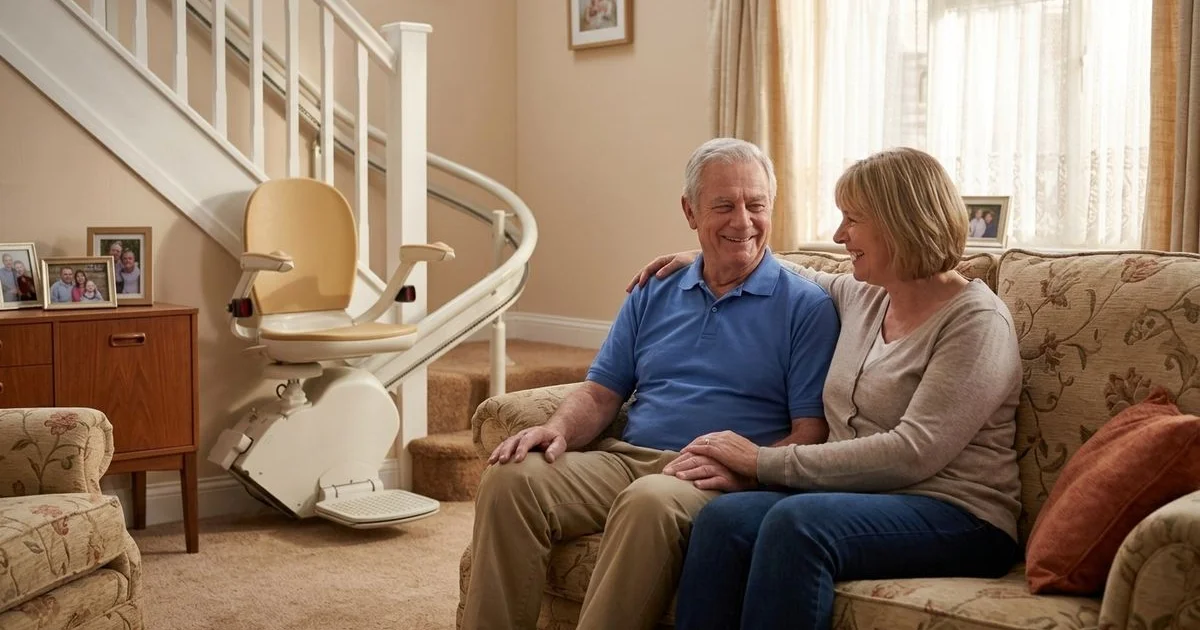
Installing a proper lift system transforms the entire layout of the house.
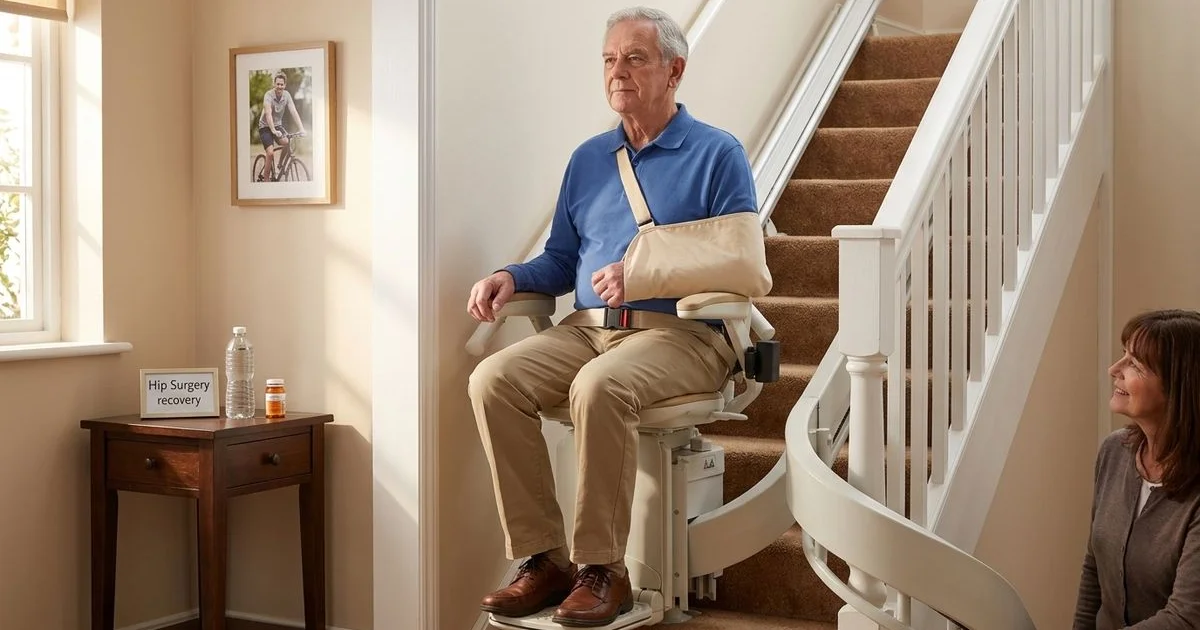
With stairlift costs starting from just £1,195, a straight stairlift easily fits onto standard steps in around two hours with minimal disruption. We provide exact measurements to ensure the track mounts securely to the treads rather than the wall, protecting your property’s structure. For staircases with complex bends, a curved stairlift delivers a safe, smooth ride around tight corners.
Regaining full access means sleeping in a proper bed and using the main upstairs bathroom without anxiety. Our stairlift rental packages offer a flexible, affordable solution if the mobility issue is temporary, such as during a recovery from knee surgery.
Bathroom Safety
Wet environments present a severe risk, with NHS statistics showing that bathroom slips account for a massive portion of hospital admissions for those over 65. Simple, targeted upgrades drastically cut down this danger.
We suggest evaluating the primary washing areas first to identify the most urgent hazards. Removing the need to step over a high bath edge is usually the most impactful change you can make.
The right equipment turns a hazardous room into a safe, accessible space. Our clients frequently praise these specific modifications:
- High-contrast grab rails: Brands like AKW offer textured rails that stand out against light tiles, aiding those with poor vision.
- Non-slip treatments: Applying a certified R11 slip-resistant coating to the floor provides immediate traction.
- Sturdy shower seating: A wall-mounted fold-down stool allows for safe, seated washing.
- Walk-in shower trays: Level-access designs eliminate tripping hazards entirely.
- Wash-dry toilets: Models like the Geberit AquaClean assist with personal hygiene if mobility becomes highly restricted.
Lighting
Poor visibility contributes to missteps far more than most families realise. The College of Optometrists notes that a 60-year-old typically requires three times as much ambient light as a 20-year-old to see clearly.
We strongly advise upgrading standard bulbs to brighter, 800-lumen LED alternatives. Eliminating dark shadows in transition zones makes walking significantly safer.
Our technicians always check for adequate illumination around critical areas during home assessments. You should pay close attention to these specific zones:
| Home Area | Recommended Lighting Upgrade |
|---|---|
| Staircases | Install two-way switches at both the top and bottom. |
| Hallways | Use motion-sensor night lights to guide late-night trips. |
| Bathrooms | Fit pull-cord lights or automated smart bulbs like Philips Hue. |
| Exterior | Mount solar-powered floodlights over pathways and steps. |
Flooring
Loose rugs and frayed mats create immediate trip hazards that are easy to overlook. Removing these unsecured items is a zero-cost way to instantly improve home safety.
We highly recommend securing down any curled carpet edges with heavy-duty, double-sided carpet tape. Firm, flat surfaces allow for stable footing and smooth walker movement.
Our team advises against highly polished wood or glossy tiles in main walkways. Replacing slick bathroom vinyl with flooring that meets an R11 slip-resistance rating offers essential grip even when wet. Be sure to check these specific floor areas:
- Thresholds: Ensure metal transition strips are screwed down flat.
- Bathroom mats: Swap standard cotton mats for rubber-backed alternatives.
- Kitchen floors: Wipe up spills immediately to prevent invisible slick spots.
Kitchen Accessibility
Standard kitchen layouts force awkward bending and dangerous overhead reaching. Moving daily essentials down to a standard 800mm worktop height keeps heavy items within a safe, manageable zone.
We frequently see families swap out hard-to-grasp cabinet knobs for simple U-shaped drawer pulls. This minor hardware change greatly aids hands affected by arthritis.
Modern appliance designs also solve many common mobility complaints. Our favorite kitchen upgrades include side-opening appliances or Neff Slide&Hide ovens that prevent users from reaching over a hot, heavy door. Other helpful tweaks include:
- Storing heavy pots on the counter instead of low shelves.
- Using a high-seated perching stool during meal prep.
- Swapping heavy glass mixing bowls for lightweight plastic or silicone.
Getting Professional Help
Occupational Therapy Assessment
A formal occupational therapy evaluation provides a clear, medically backed roadmap for home safety. Under the Care Act 2014, anyone has the legal right to request a care needs assessment from their local council.
We understand that waiting lists for local authority assessments often stretch for several months, according to recent Royal College of Occupational Therapists reports. Acting early and requesting an evaluation before a major fall occurs is crucial.
An assigned therapist will visit the property to watch how daily tasks are performed. Our staff often works directly alongside these professionals to ensure recommended aids perfectly align with the property’s unique layout.
| Assessment Route | Typical Wait Time | Cost Implication |
|---|---|---|
| NHS / Local Authority | 3 to 6 months | Free under the Care Act 2014 |
| Private Occupational Therapist | 1 to 2 weeks | Paid out-of-pocket |
Disabled Facilities Grant
Securing funding for major modifications is entirely possible through the local council. The Disabled Facilities Grant provides up to £30,000 in England to help cover the costs of essential structural changes.
We guide many local families through the initial stages of this means-tested application process. Managing the paperwork takes time, but the financial relief is substantial.
The local authority typically approves grants for the following core improvements:
- Widening doorways for wheelchair access.
- Installing a stairlift or through-floor lift.
- Upgrading a standard bathroom to a wet room.
- Improving central heating and lighting controls.
Local Support Services
Manchester and its surrounding boroughs host a strong network of community support. Leveraging these local resources prevents isolation and lightens the daily load on family caregivers.
We maintain close ties with several regional organisations to help our clients find reliable assistance. Reaching out for professional help is a sign of practical planning, not a loss of independence.
A few excellent Manchester-based services include:
- Manchester City Council Reablement Service: Offers up to six weeks of free, short-term support after a hospital stay.
- Age UK Manchester: Provides trusted advice, day care services, and friendly visiting programmes.
- Manchester Cares: A community network pairing younger volunteers with older neighbours to share time and activities.
Technology That Helps
Modern telecare systems offer brilliant, unobtrusive ways to monitor safety from afar. Many of today’s devices blend seamlessly into the background without feeling overly clinical.
We highly recommend setting up a reliable personal alarm system, like those offered by Careline365, for around-the-clock emergency monitoring. Knowing help is just a button press away brings immense peace of mind to both residents and their relatives.
Our team has seen smart home gadgets completely transform daily routines. Consider adding these specific technologies:
- Smart doorbells: Devices like the Ring Video Doorbell let users screen visitors directly from a tablet or smartphone without rushing to the door.
- Voice-activated displays: An Amazon Echo Show allows family members to initiate a quick video chat to verify everything is okay.
- Automated medication dispensers: Locked carousels release exact pill doses at scheduled times, sounding an audible alert until the medication is retrieved.
- Advanced fall detectors: Wearable sensors measure sudden velocity changes and automatically dial a monitoring centre if the wearer cannot respond.
Helping Elderly Parents Stay Independent at Home: A Family Guide to Knowing When More Help Is Needed
Even with the best adaptations, identifying when home care is no longer sufficient is a vital part of protecting a loved one. Medical professionals often use tools like the NHS Electronic Frailty Index to track declining health, but family members usually spot the subtle daily behavioral shifts first.
We always advise families to keep a close eye on the frequency of minor accidents. A sudden increase in unexplained bruises often signals a larger underlying balance issue.
Recognising these warning signs early allows for smoother transitions. Our ongoing goal is to ensure safety, but you must act if you notice the following red flags:
- Frequent slips or near-misses despite installing new grab rails.
- Worsening memory issues, such as leaving the gas cooker on or losing track of time.
- A noticeable decline in personal hygiene and grooming.
- Deepening social withdrawal and reluctance to leave the house.
Choosing to explore assisted living facilities or comprehensive home nursing is a deeply caring decision. Acknowledging these limits proves that a dedicated support network must always prioritise safety over location.
We Are Here to Help
Taking the first step in creating a safer home environment is often the hardest part of the process. If stairs are becoming a daily struggle, exploring a lift installation offers an immediate, lasting solution.
We would be delighted to discuss how a reliable stairlift, starting from £1,195, could dramatically improve daily mobility. Getting clear, accurate information allows you to make the best possible choice for your household.
Our free home surveys are completely relaxed, no-pressure visits where a specialist assesses the staircase and explains all available options.
Call us on 07897 037526 or visit our contact page to arrange an appointment. We understand the sensitivity of Helping Elderly Parents Stay Independent at Home: A Family discussion requires the utmost respect, and we promise to handle your inquiry with care.