We understand the immense relief that comes when a joint replacement is finally scheduled. This Using a Stairlift After Hip or Knee Surgery: A Recovery Guide explains exactly how the right equipment makes healing at home safer. The final results often bring life-changing mobility to patients.
Our Stairlifts Cost team regularly speaks with locals who feel anxious about managing their steps during rehabilitation. Climbing to a second-floor bedroom requires serious physical exertion.
The National Joint Registry reports that over 100,000 of these procedures happen across the UK every single year.
The Challenge of Stairs After Surgery
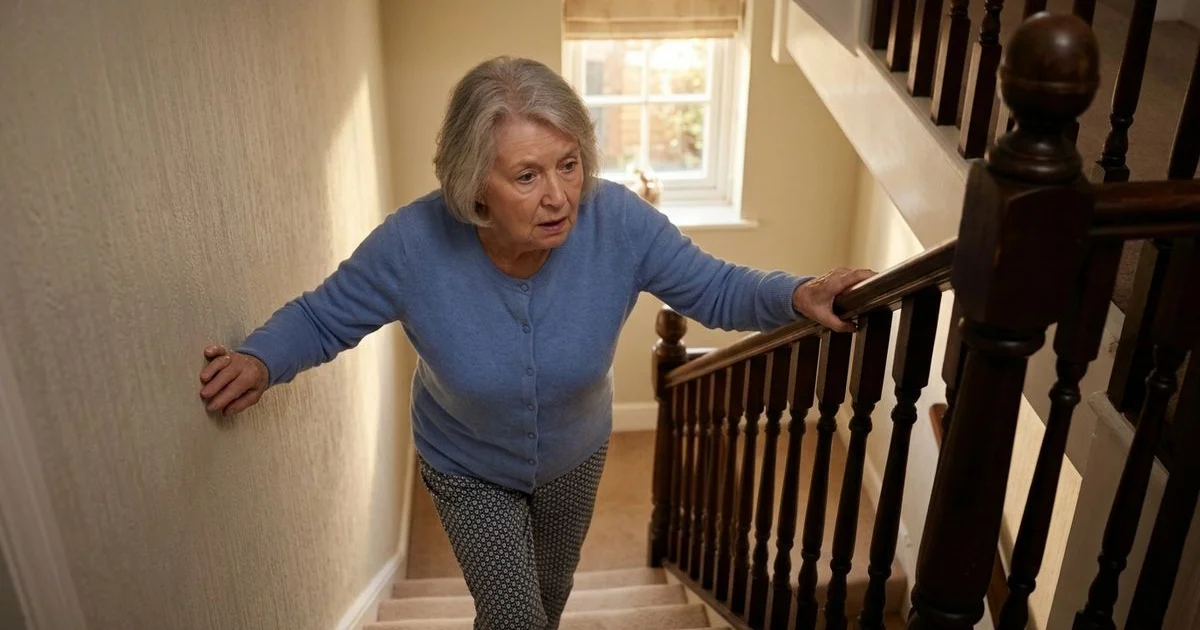
We hear from countless patients who underestimate the physical toll of climbing steps. Consultants and physiotherapists strictly advise against placing unnecessary strain on fresh joints. A standard British staircase has 13 steps.
Our assessment team knows the upward climb demands the following challenging actions:
- Repeated bending of the newly operated joint.
- Taking full body weight on a single leg during each step.
- Maintaining balance when your mobility feels compromised.
- Gripping the handrail tightly and straining your upper body.
Many people try sleeping on a downstairs sofa. This setup creates deep discomfort and disrupts essential sleep cycles.
We strongly advise against limiting yourself to the ground floor. The human body requires deep stage three sleep to repair damaged tissues properly. A quality night of rest in your actual bed accelerates the healing process.
How a Stairlift Helps During Recovery
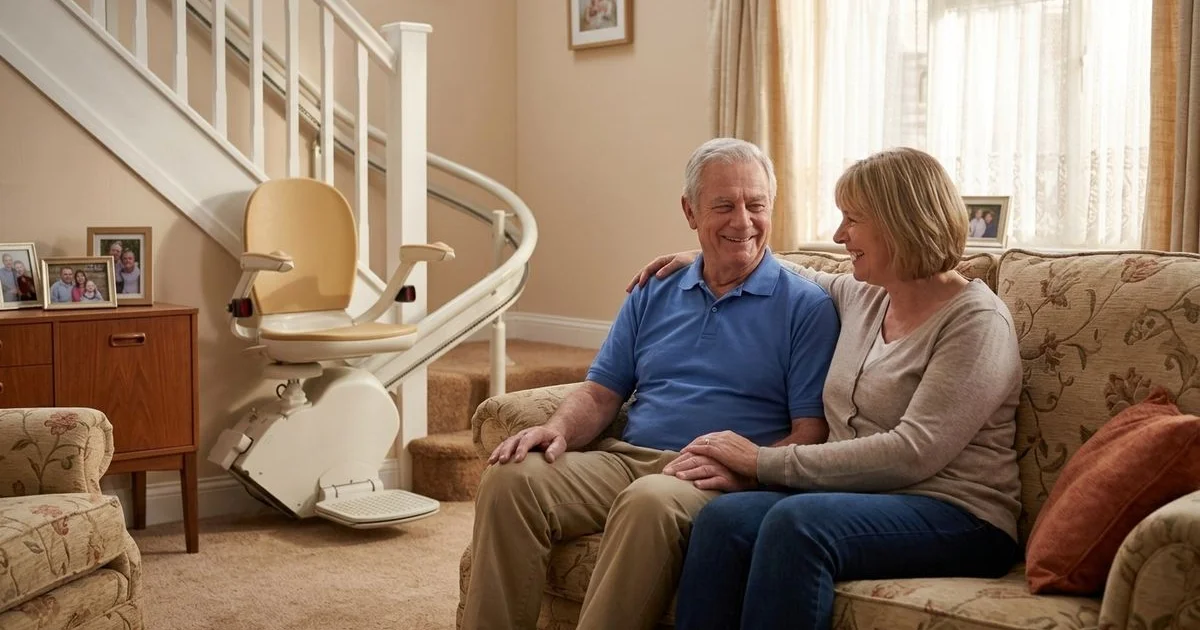
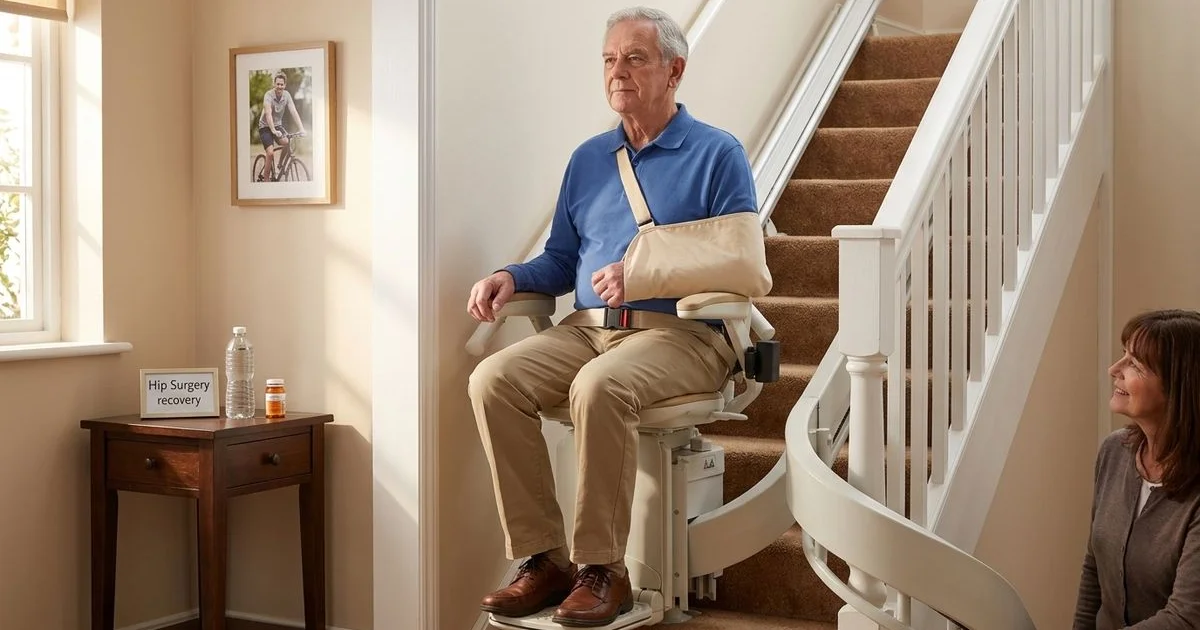
Our installations provide immediate peace of mind. Mechanical assistance entirely removes the physical burden of climbing. You sit down safely while the carriage glides smoothly between floors.
We see the relief on our customers’ faces daily. The core advantages include:
- Sleeping comfortably in your own proper bed from the very first night.
- Keeping zero strain on the healing hip or knee during transitions.
- Reducing dangerous fall risks while your balance remains unsteady.
- Accessing your upstairs bathroom and personal wardrobes easily.
- Getting better quality rest for faster cellular healing.
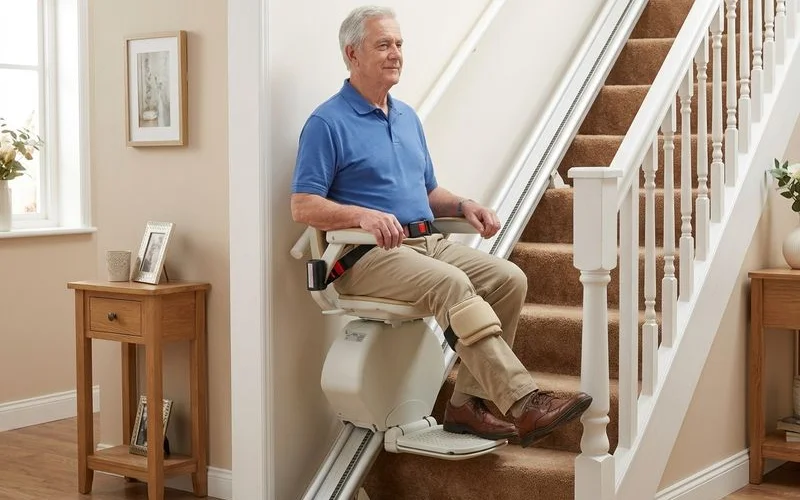
Getting On and Off the Stairlift After Surgery
Modern equipment features specific ergonomic designs for post-operative care. Our engineers provide highly reassuring answers to this valid concern. Patients frequently ask if they can easily stand up from the seated position. The manual seating process eliminates awkward bending.
Swivel Seat
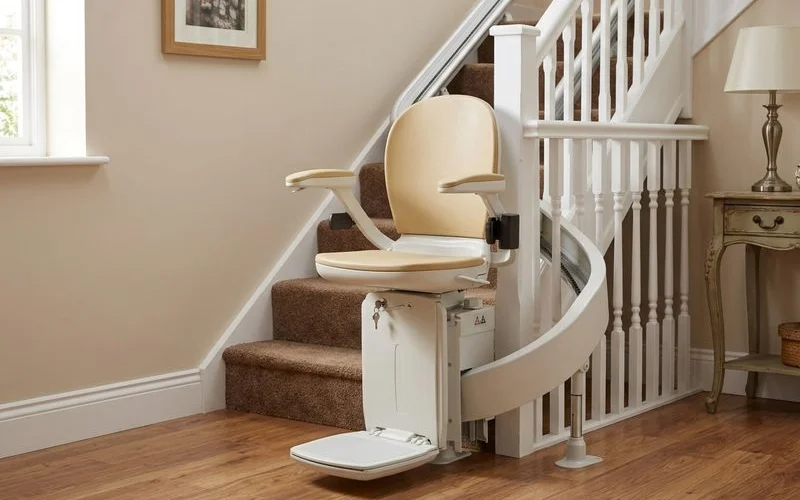
We specifically highlight the Acorn 130 model for straight staircases. The manual swivel seat rotates a full 90 degrees at the top landing. Strict medical guidelines dictate that you must avoid twisting your leg past certain angles.
Our preferred swivel action lets you step off onto flat ground completely straight.
Seat Height
A standard carriage sits at roughly 480 millimetres off the footrest. This exact dimension mirrors a standard dining room chair.
We adjust the seat height to match your specific physical needs. Low sofas force a sharp bend in the knee that causes extreme pain. Standing up from a proper height requires much less exertion.
Armrests for Support
Our technicians encourage patients to use their arms to protect the operated leg completely. Sturdy padded armrests deliver critical upper body stability. You can push down firmly to lower your weight gradually.
We verify the solid framework handles significant downward force without wobbling. The sturdy construction takes all the pressure off your healing hips.
Footrest
A secure footrest prevents your legs from dangling awkwardly. Our mechanical links connect the folding footrest to the seat mechanism.
This clever design means you never have to bend down to fold it away. The slight knee angle keeps the stiff joint perfectly supported.
Renting a Stairlift for Recovery
We understand that most people expect to walk independently again soon. contacting us about renting a stairlift makes perfect financial sense for rehabilitation. Standard UK recovery times mean you might only need assistance for two months.
Our flexible contracts cater perfectly to these temporary medical situations. With affordable stairlift costs, a short-term hire offers these specific financial benefits:
- Zero long-term commitment so you only pay for the months you need.
- A fixed weekly fee that typically runs between £50 and £80 in the UK.
- Fast installation that gets the rails fitted in just a few days.
- Free removal service the moment your physiotherapist clears you for stairs.
Fast installations get the rails fitted in just a few days.
Planning Ahead: Before Your Surgery
We strongly suggest using this waiting period to prep your house. The NHS waiting lists for orthopaedic surgery currently extend for many weeks. Coming home to a fully prepared property removes massive amounts of stress.
Our team advises following this structured pre-surgery timeline:
- Four to six weeks prior: Book a home assessment. The technician will take accurate measurements.
- Two to three weeks prior: Finalise the straight stairlift rental contract. The rails are cut to size.
- The week of surgery: The installation takes about two hours. The engineer provides a full safety demonstration.
- Hospital discharge day: You arrive home and glide directly upstairs to rest.
A mechanical lift solves several of these medical priorities simultaneously. The installation process requires zero major structural changes to your walls.
What the NHS Advises
We align our installation practices with strict medical guidelines. Occupational therapists issue clear safety protocols for home environments. Their primary focus is preventing accidental trips during the vulnerable early weeks.
Our professionals know a mechanical lift directly stops the dangerous physical strain of climbing. The standard NHS recommendations focus on the following safety measures:
- Reorganising your furniture to widen walking paths for mobility frames.
- Setting up a proper upstairs bedroom to guarantee restful sleep.
- Adding specific mobility aids to protect the vulnerable new joint.
- Avoiding the stairs entirely until the muscles regain their basic strength.
Following these steps accelerates your return to full mobility.
Recovery Timeline
We provide this basic framework to help you plan your rental duration. Every patient heals at a unique pace. Soft tissues require substantial time to reconnect and strengthen properly.
Our rolling contracts remove all the pressure from your timeline. The typical rehabilitation journey follows these clear stages:
| Recovery Stage | Typical Timeline | Stairlift Benefit |
|---|---|---|
| First 2 weeks | Very limited mobility | Essential for accessing the upstairs bathroom |
| 2 to 6 weeks | Gradual improvement | Reduces daily physical exertion significantly |
| 6 to 12 weeks | Building new confidence | Provides a reliable safety net |
| 3 to 6 months | Returning to normal life | Allows safe removal of the equipment |
Some patients cancel their rental after just eight weeks.
We see others prefer keeping the rails for a full six months. You return the equipment only when your doctor gives the green light. The choice remains entirely in your hands.
We Are Here to Help: Using a Stairlift After Hip or Knee Surgery: A Recovery Guide
Our engineers are ready to assess your property at no cost. The weeks leading up to major orthopaedic surgery create immense anxiety.
You handle the healing while the mechanical lift handles the steps.
We want to eliminate the specific worry of getting upstairs. Call the office directly on 07897 037526 to arrange a visit.
You can also book via the contact page right now. Keep this Using a Stairlift After Hip or Knee Surgery: A Recovery Guide bookmarked for your rehabilitation planning.